Northern Mexico Grassland Restoration
Ranchers and community ejidos across 553,487 hectares of the Chihuahuan and Sonoran grasslands moving to regenerative grazing, which rebuilds the soil and stores carbon underground.
The project in numbers
The developer’s figures, as stated in its documents.
553,487hectares under regenerative grazing
= 20,000 hectares
3,780,000tons of CO₂e a year, developer’s figure
= 200,000 tons
158ranchers
= 10 ranchers
729species recorded
= 25 species
Key facts
Improved Grassland Management
- Methodology
- Verra VM0042
- Ratings
- Sylvera · Calyx · CCB-certified credits available
- Revenue
- ≥ 75% to ranchers · and local partners
- Developer
- Boomitra

SDG icons © United Nations. The content of this page has not been approved by the United Nations and does not reflect the views of the United Nations or its officials or Member States. un.org/sustainabledevelopment
Integrity
Grasslands store their carbon underground, in roots and soil, where fire and drought do not release it; and most of the money goes to the ranchers doing the work.
Draft profile, pending review
-
Additional
Ranchers change how they graze, with new paddocks, fencing and water points, which the credit revenue pays for.
-
Permanent
Grouped across 158 ranches, so the project holds even when one ranch changes hands; 40-year landowner agreements run two decades past the crediting period, and the rancher revenue share vests over five years.
-
Measured
Soil carbon is measured with satellite data and AI models under Verra's VM0042 methodology, and verified by Verra. Rated by Sylvera and Calyx; CCB-certified credits available.
-
People and nature
729 species recorded and 41 rare, endangered or threatened; more pasture and water in the streams; at least 75% of gross revenue to ranchers and partners.
On the record
- Standard
- Verra VCS · 2887
- Methodology
- Verra VM0042
- Ratings
- Sylvera · Calyx · CCB-certified credits available
- Credits
- 100% removals
Certifications
- Verra VCS (project 2887)
- Climate, Community & Biodiversity (CCB) credits available
- Verra VCS project 2887 under methodology VM0042; credits issued.
- Rated by Sylvera and Calyx; CCB (Climate, Community & Biodiversity) certified credits available.
- Permanence: grouped structure across 158 ranches; 40-year landowner agreements running two decades beyond the crediting period; the 75% rancher revenue share vests over five years.
What the project does
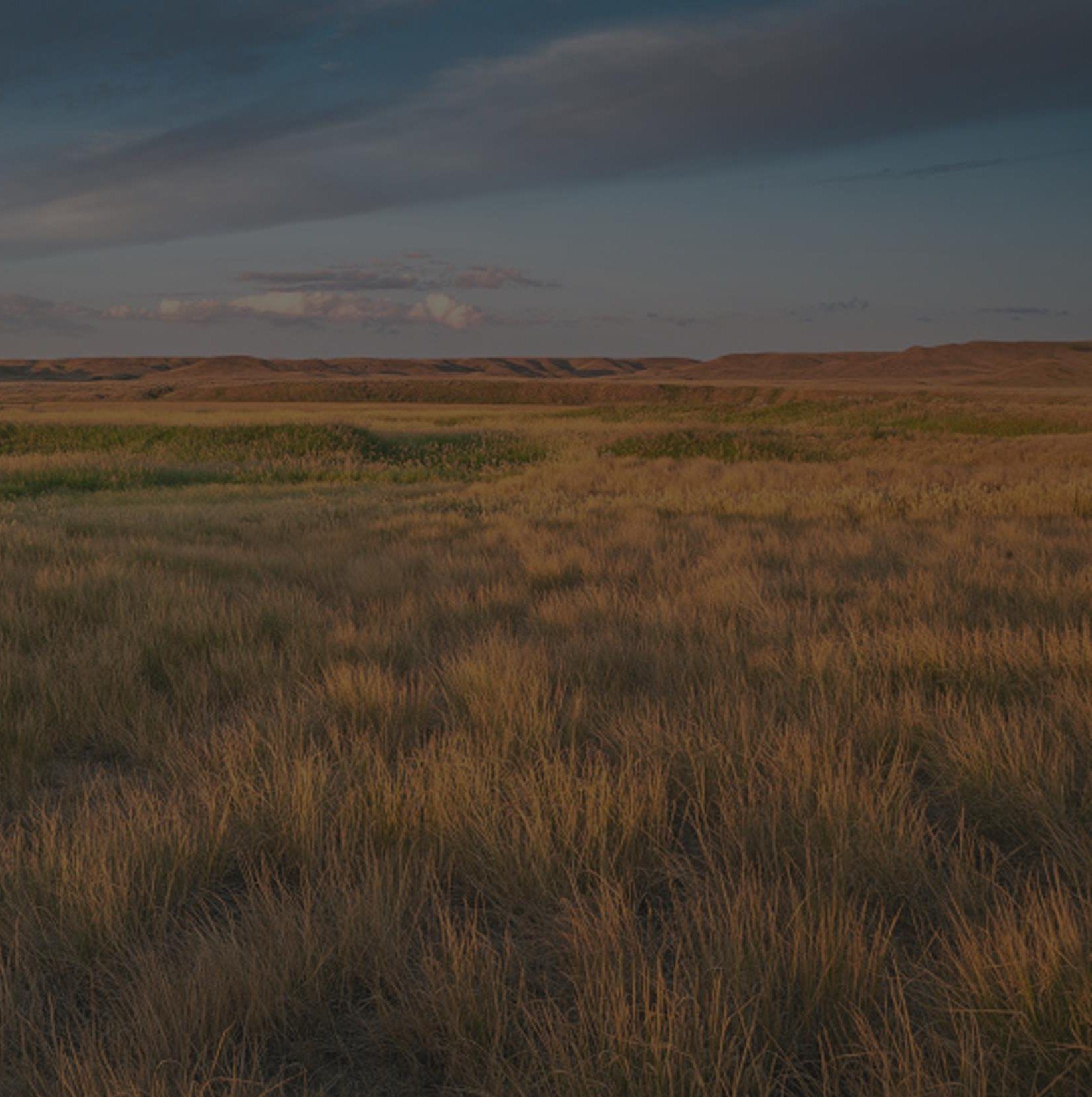
The Chihuahuan and Sonoran deserts hold some of the most biodiverse grasslands in the world, and they are losing their soil to drought and overgrazing. In this project 158 private ranchers and ejidos, the community-owned ranches protected by Mexico’s agrarian law, move their herds through many small paddocks instead of a few large ones, and manage their water. The grass recovers, the soil rebuilds, and carbon is stored underground in roots and soil, where fire and drought do not release it.
The project covers 553,487 hectares, including land in the Janos protected area and the Mapimí and Cuatro Ciénegas biosphere reserves. Soil carbon is measured from satellite data and verified by Verra, and at least three-quarters of the money from the credits goes back to the ranchers and their local partners.
Sources
Every figure on this page comes from these documents and is reproduced as stated; Lignum & Bloom has not independently verified it.
- Boomitra Grassland Restoration in Northern Mexico brochure (Mexico Brochure_18Feb (3).pdf) · 2026-02-18